Decadent Sicilian Ricotta Cheesecake Recipe You Have to Try
Growing up in a white farmhouse nestled deep in the Blue Ridge Mountains, dessert was always something sacred—a quiet moment to savor the love baked into every bite. The Sicilian Ricotta Cheesecake, with its delicate texture and subtle sweetness, reminds me of those slow Southern afternoons spent on the porch swing, where Mama Lu’s soft-spoken wisdom and strong hands taught me that food is never just about filling a plate. This cheesecake isn’t just a dessert; it’s a story, a ritual, a slice of heritage that carries the warmth of family gatherings and the comfort of home.
Table of Contents
Why You’ll Love This Sicilian Ricotta Cheesecake
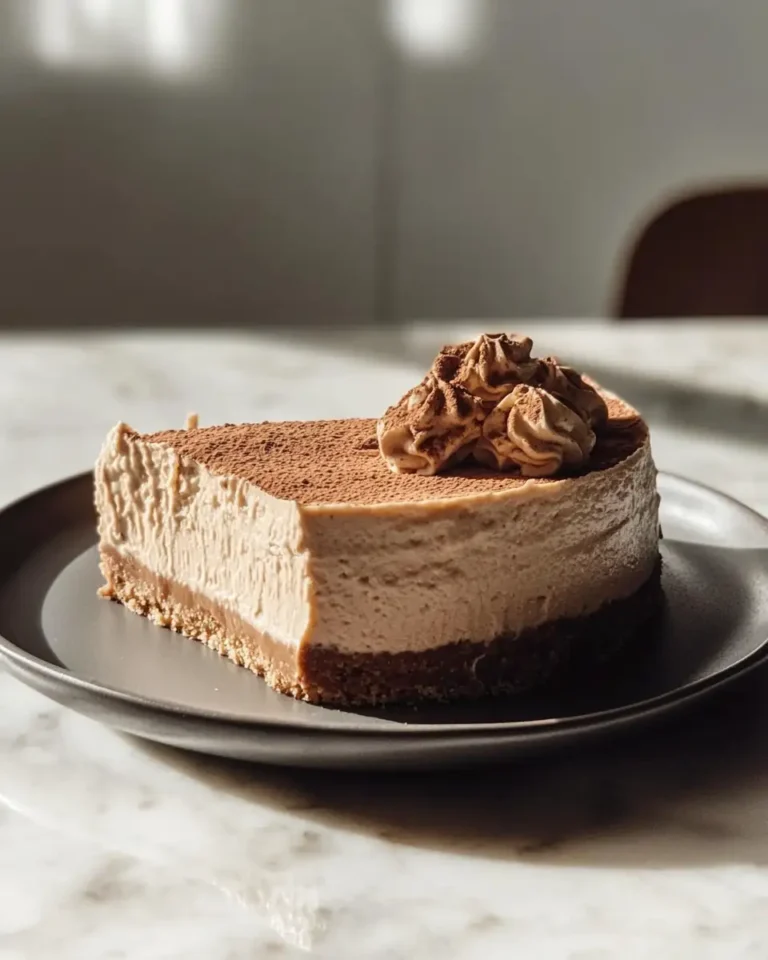
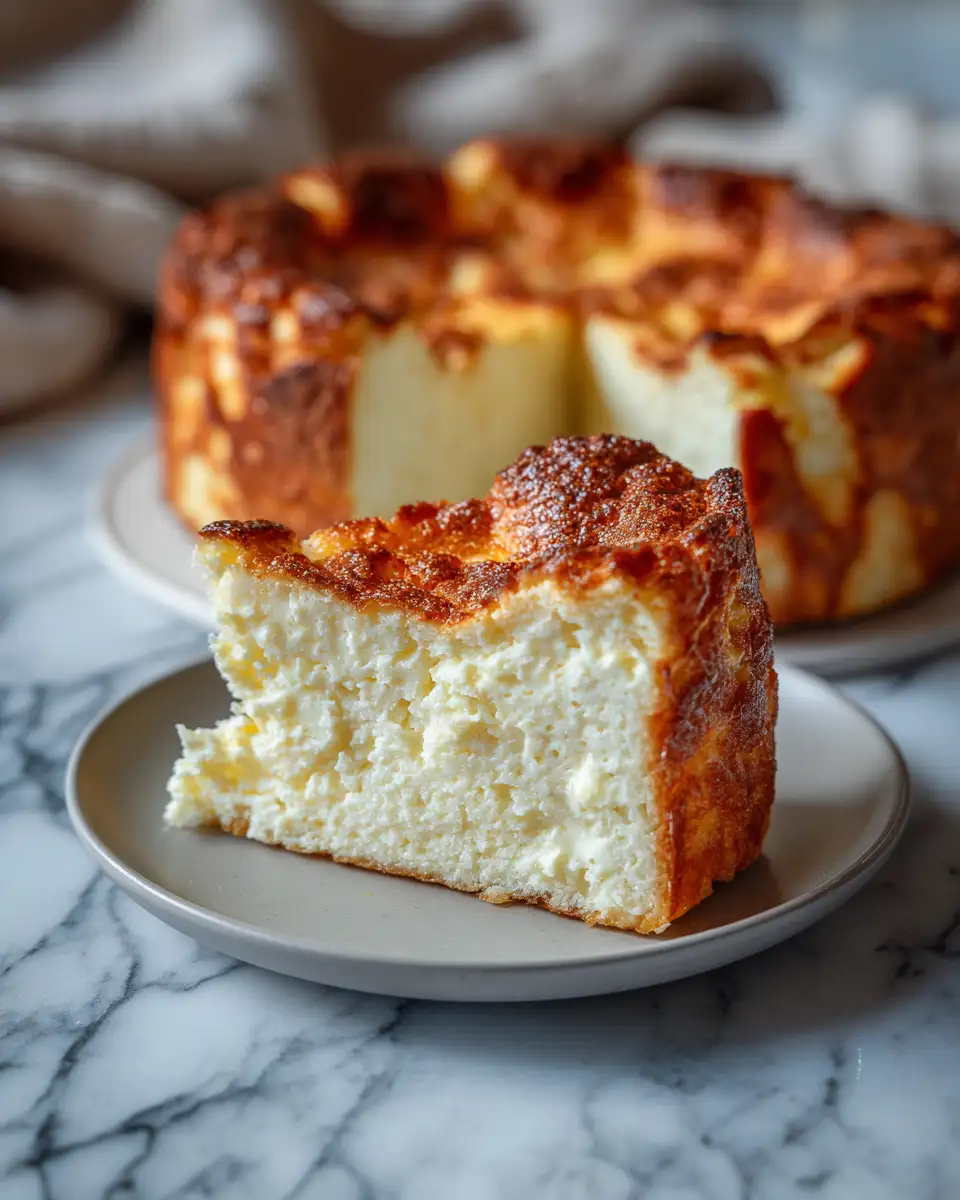
This Sicilian Ricotta Cheesecake is unlike the dense, overly sweet cheesecakes you might have encountered. It’s light, silky, and carries a gentle tang from the ricotta that feels like a breath of fresh mountain air. The crust, crisp and buttery, gives just the right contrast to the creamy filling, which melts softly on your tongue. For me, it’s the kind of dessert that Mama Lu would have loved to serve after one of her Sunday pot roasts, shared quietly as the family lingered around the table.
What makes this cheesecake special isn’t just the ingredients, but the way it connects you to a simpler time—a time when recipes weren’t written, but remembered and passed down with a pinch of salt and a whole lot of soul. It’s forgiving, too. Even if you’re not an expert baker, this recipe welcomes you in, much like the farmhouse kitchen where I learned to cook: with patience, love, and a few flour-dusted mistakes along the way.
Ingredients You’ll Need for This Sicilian Ricotta Cheesecake
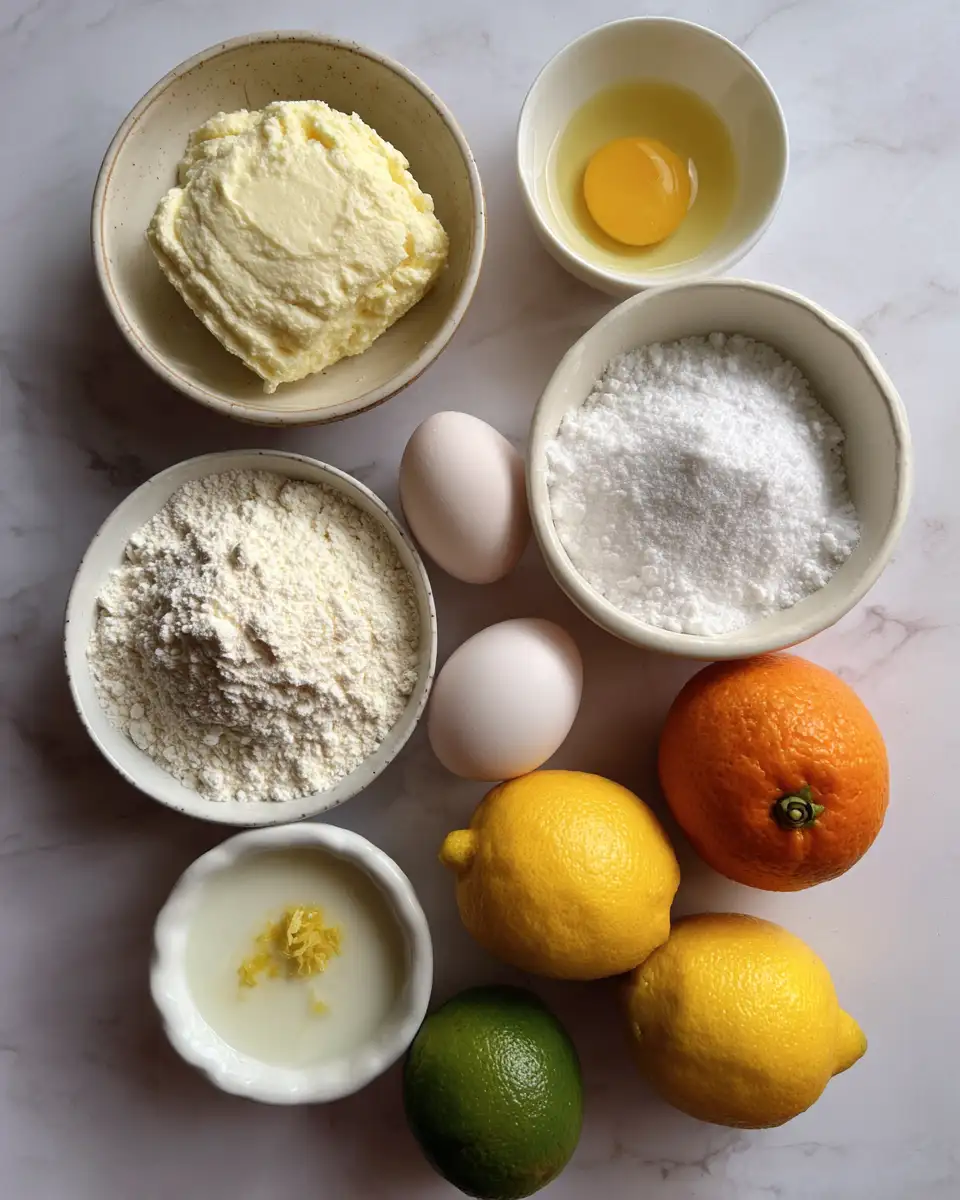
- 1 ½ cups whole-milk ricotta cheese (drained overnight in a fine mesh strainer or cheesecloth)
- 3 large eggs, at room temperature
- ¾ cup granulated sugar
- 1 teaspoon pure vanilla extract
- 1 tablespoon freshly grated lemon zest (from about 1 lemon)
- ½ cup all-purpose flour
- ¼ teaspoon kosher salt
- 1 tablespoon unsalted butter, melted (for greasing the pan)
- 1 ¼ cups graham cracker crumbs (or digestive biscuits, finely crushed)
- 3 tablespoons granulated sugar (for the crust)
- Optional: powdered sugar, for dusting
If you’re looking to switch things up, whole-milk ricotta is truly key for that creamy texture, but part-skim ricotta can work if you’re after a lighter version. For the crust, if graham crackers aren’t your thing, crushed amaretti cookies bring a lovely almond note that pairs beautifully with the lemon zest. I’ve found these small tweaks make the recipe your own, much like how Mama Lu would tweak her cornbread depending on what was in the pantry.
Nutrition Facts
- Calories: Approximately 320 per serving (based on 8 servings)
- Protein: 10g
- Fat: 14g
- Carbohydrates: 38g
- Fiber: 1g
- Sugar: 22g
- Sodium: 120mg
These numbers are a gentle reminder that this cheesecake is a treat meant to be savored, not rushed. Just like Mama Lu always said, “A little sweetness goes a long way, especially when it’s shared.” It’s a lovely balance of indulgence and nourishment that feels right at home on a Sunday afternoon.
PrintDecadent Sicilian Ricotta Cheesecake Recipe You Have to Try
Learn how to make delicious Sicilian Ricotta Cheesecake. Easy recipe with step-by-step instructions.
- Prep Time: 15 minutes
- Cook Time: 30 minutes
- Total Time: 45 minutes
- Yield: 4 servings 1x
- Category: Main Dish
- Method: Cooking
- Cuisine: International
Ingredients
- 1 ½ cups whole-milk ricotta cheese (drained overnight in a fine mesh strainer or cheesecloth)
- 3 large eggs, at room temperature
- ¾ cup granulated sugar
- 1 teaspoon pure vanilla extract
- 1 tablespoon freshly grated lemon zest (from about 1 lemon)
- ½ cup all-purpose flour
- ¼ teaspoon kosher salt
- 1 tablespoon unsalted butter, melted (for greasing the pan)
- 1 ¼ cups graham cracker crumbs (or digestive biscuits, finely crushed)
- 3 tablespoons granulated sugar (for the crust)
- Optional: powdered sugar, for dusting
If you’re looking to switch things up, whole-milk ricotta is truly key for that creamy texture, but part-skim ricotta can work if you’re after a lighter version. For the crust, if graham crackers aren’t your thing, crushed amaretti cookies bring a lovely almond note that pairs beautifully with the lemon zest. I’ve found these small tweaks make the recipe your own, much like how Mama Lu would tweak her cornbread depending on what was in the pantry.
Instructions
- Preheat your oven to 350°F (175°C). Lightly grease an 8-inch springform pan with melted butter, then press the graham cracker crumbs mixed with 3 tablespoons sugar firmly into the bottom to form the crust. Set aside.
- In a large bowl, whisk the drained ricotta cheese until smooth and creamy. This step is key to achieving that silky texture that reminds me of the smooth buttermilk biscuits Mama Lu made on chilly mornings.
- Beat in the sugar and eggs one at a time, ensuring each is fully incorporated before adding the next. The mixture will become glossy and slightly airy, much like the way Mama Lu’s skillet cornbread would bubble just before it was ready.
- Fold in the vanilla extract, lemon zest, flour, and salt gently. Be careful not to overmix; you want to keep the batter light and airy.
- Pour the batter over the prepared crust, smoothing the top with a spatula. Tap the pan gently on the counter to release any air bubbles.
- Bake for 50-60 minutes, or until the cheesecake is set around the edges but still slightly wobbly in the center. The top should be a pale golden hue. Remember, it will continue to set as it cools.
- Remove the cheesecake from the oven and let it cool in the pan for about 20 minutes. Then, run a knife around the edges to loosen it from the sides before releasing the springform.
- Chill the cheesecake in the refrigerator for at least 4 hours, preferably overnight. This waiting time is where the cheesecake develops its signature texture and flavor—the kind of patience Mama Lu would have insisted on for the best results.
One thing I learned from those porch-side baking sessions with Mama Lu is to trust your senses. Watch for the subtle golden top and that gentle wobble in the center—it’s the kind of quiet cue that tells you this dessert is ready to become part of your family’s story.
Steps to Create Your Sicilian Ricotta Cheesecake
- Preheat your oven to 350°F (175°C). Lightly grease an 8-inch springform pan with melted butter, then press the graham cracker crumbs mixed with 3 tablespoons sugar firmly into the bottom to form the crust. Set aside.
- In a large bowl, whisk the drained ricotta cheese until smooth and creamy. This step is key to achieving that silky texture that reminds me of the smooth buttermilk biscuits Mama Lu made on chilly mornings.
- Beat in the sugar and eggs one at a time, ensuring each is fully incorporated before adding the next. The mixture will become glossy and slightly airy, much like the way Mama Lu’s skillet cornbread would bubble just before it was ready.
- Fold in the vanilla extract, lemon zest, flour, and salt gently. Be careful not to overmix; you want to keep the batter light and airy.
- Pour the batter over the prepared crust, smoothing the top with a spatula. Tap the pan gently on the counter to release any air bubbles.
- Bake for 50-60 minutes, or until the cheesecake is set around the edges but still slightly wobbly in the center. The top should be a pale golden hue. Remember, it will continue to set as it cools.
- Remove the cheesecake from the oven and let it cool in the pan for about 20 minutes. Then, run a knife around the edges to loosen it from the sides before releasing the springform.
- Chill the cheesecake in the refrigerator for at least 4 hours, preferably overnight. This waiting time is where the cheesecake develops its signature texture and flavor—the kind of patience Mama Lu would have insisted on for the best results.
One thing I learned from those porch-side baking sessions with Mama Lu is to trust your senses. Watch for the subtle golden top and that gentle wobble in the center—it’s the kind of quiet cue that tells you this dessert is ready to become part of your family’s story.
Tips for Making the Best Sicilian Ricotta Cheesecake
Every time I make this cheesecake, I think about those flour-dusted afternoons in the farmhouse kitchen, where precision was less important than feel and intuition. Here are a few tips to bring that same spirit into your kitchen:
- Drain your ricotta: This might be the most important step. Leaving excess moisture in the ricotta can make your cheesecake watery. I always let mine strain overnight in a cheesecloth-lined sieve in the fridge.
- Don’t overmix the batter: Fold ingredients gently to keep the texture light. Overmixing can make it dense, which isn’t the soft, cloud-like texture we’re after.
- Use room temperature eggs: This helps the batter come together smoothly and prevents curdling during baking.
- Watch your baking time closely: The cheesecake should be slightly jiggly in the center when you take it out. It will firm up as it cools, just like a good homemade custard.
- Chill thoroughly: This cheesecake needs time to set properly. Patience here pays dividends in flavor and texture.
These little lessons remind me of Mama Lu’s kitchen where the best meals were never rushed. They came from knowing the food, the ingredients, and the magic in waiting.
Serving Suggestions and Pairings
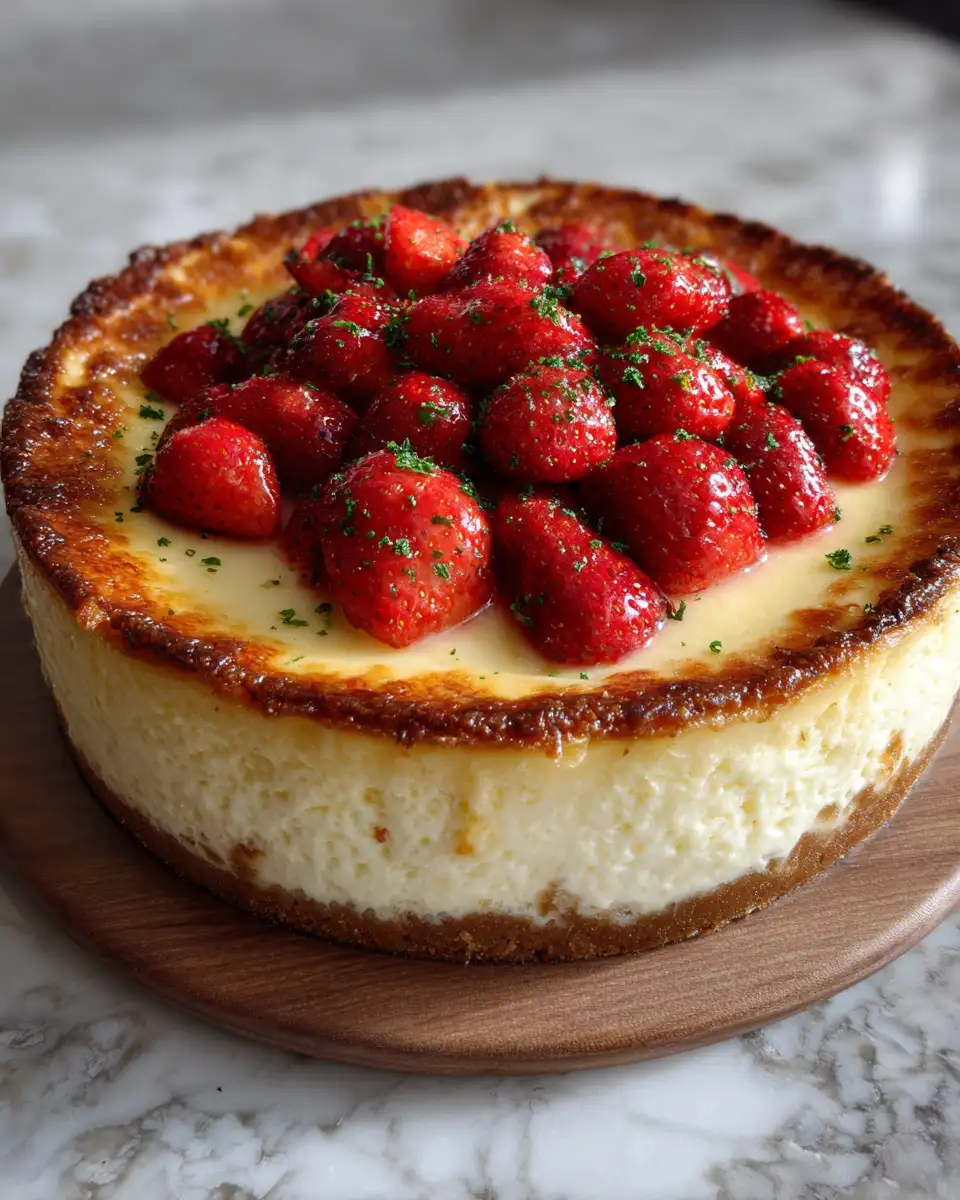
When it comes to serving, simplicity is truly the best companion for this Sicilian Ricotta Cheesecake. I often dust the top lightly with powdered sugar, a gentle nod to the snowy Blue Ridge winter mornings where I first learned to appreciate subtle sweetness.
Fresh berries—especially blackberries or raspberries—bring a bright contrast to the creamy richness, much like the blackberry jam Mama Lu spread on warm biscuits. A drizzle of honey or a few mint leaves can add a fresh, aromatic note that feels like springtime on the porch.
For drinks, a cup of strong, black coffee or a mild herbal tea feels just right. If you’re feeling indulgent, a glass of sweet Marsala wine or a light dessert wine echoes the Italian roots of this cheesecake beautifully.
Storage and Reheating Tips
This cheesecake keeps well in the refrigerator for up to 4 days, wrapped tightly with plastic wrap or stored in an airtight container. I’ve found that letting it come to room temperature for about 20 minutes before serving allows the flavors to bloom perfectly.
Reheating isn’t really necessary with this dessert, but if you prefer it warm, gently heat individual slices in the microwave for about 10-15 seconds. Be careful not to overheat, or you risk losing that delicate texture.
And if you’re lucky enough to have leftovers, this cheesecake freezes beautifully. Wrap it tightly in plastic wrap and then foil, and freeze for up to 2 months. Thaw overnight in the fridge and enjoy as you would fresh.
Frequently Asked Questions
What are the main ingredients for Sicilian Ricotta Cheesecake?
The main ingredients for Sicilian Ricotta Cheesecake include the items listed in our ingredients section above. Each ingredient plays a crucial role in achieving the perfect flavor and texture.
How long does it take to make Sicilian Ricotta Cheesecake?
The total time to make Sicilian Ricotta Cheesecake includes both preparation and cooking time. Check the recipe card above for exact timing details.
Can I make Sicilian Ricotta Cheesecake ahead of time?
Yes, Sicilian Ricotta Cheesecake can often be prepared in advance. Store it properly in an airtight container in the refrigerator and consume within the recommended timeframe.
What can I serve with Sicilian Ricotta Cheesecake?
Sicilian Ricotta Cheesecake pairs well with various sides and accompaniments. Consider the serving suggestions mentioned in the recipe for the best dining experience.
Is Sicilian Ricotta Cheesecake suitable for special diets?
Depending on the ingredients used, Sicilian Ricotta Cheesecake may be adapted for various dietary needs. Check the ingredients list and consider substitutions as needed for your dietary requirements.
Final Thoughts
Making Sicilian Ricotta Cheesecake is like folding a little piece of my past into the present—a taste of the Blue Ridge Mountains mingling with Mediterranean sunshine. It’s a recipe that doesn’t demand perfection but invites you to slow down, savor, and remember that food is a language of love and togetherness.
“Recipes weren’t written,” Mama Lu used to say. “They were remembered. Shared by heart, with a pinch of salt and a whole lot of soul.”
That’s the heart of this cheesecake. It’s more than just a dessert; it’s a reminder of family, history, and the joy found in simple, well-made food. I hope this recipe brings you as much comfort and happiness as it has brought me, and that it becomes part of your family’s story too.